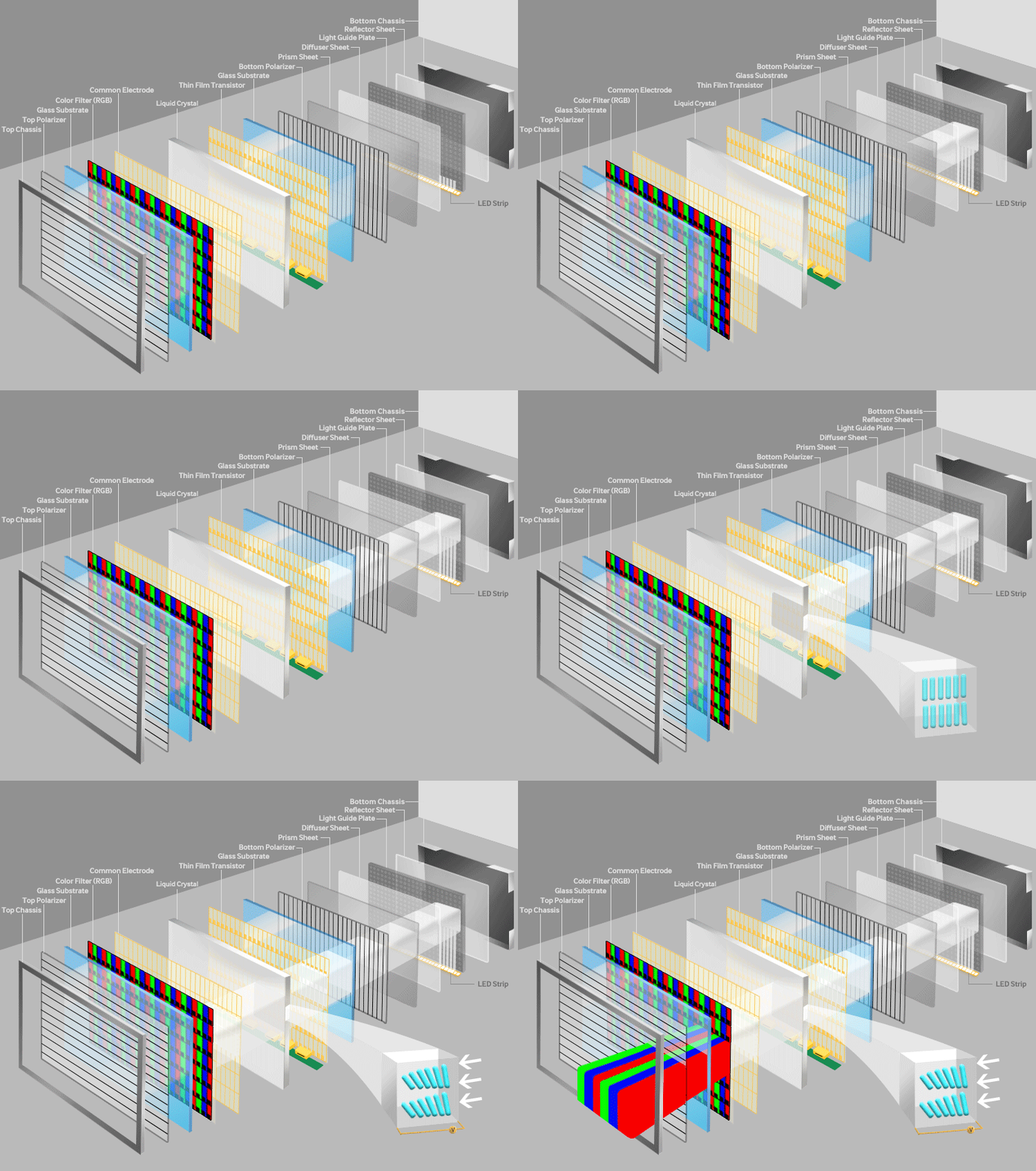
How does the LCD Work?
To give a comprehensive illustration of how does the LCD work, we will explain the structure, and then the collaboration of each part to create the colors.
To give a comprehensive illustration of how does the LCD work, we will explain the structure, and then the collaboration of each part to create the colors.
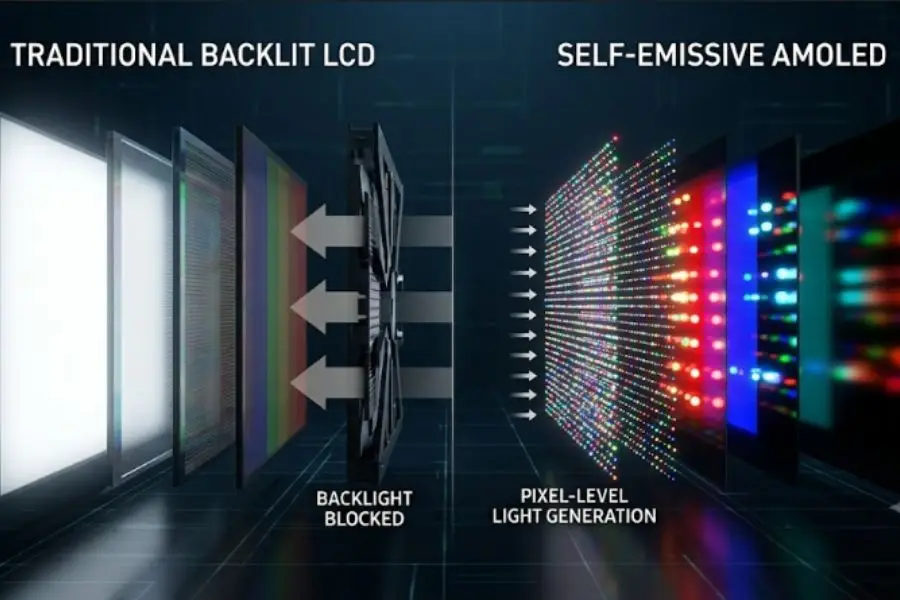
The fundamentals of AMOLED technology, including pixel circuit design, driving methods, key manufacturing processes, structure, optimization, and technical advantages 1. Design and Optimization of Pixel Circuits As the fundamental unit of a display panel, the performance of a pixel circuit
We are excited to announce that Tailor Pixels Technology Co., Ltd. (TPS) will be exhibiting at electronicAsia 2026, Booth No.: 5B-F07, taking place from October 13th–16th, 2026. As a professional display technology provider, Tailor Pixels specializes in high-quality TFT LCD
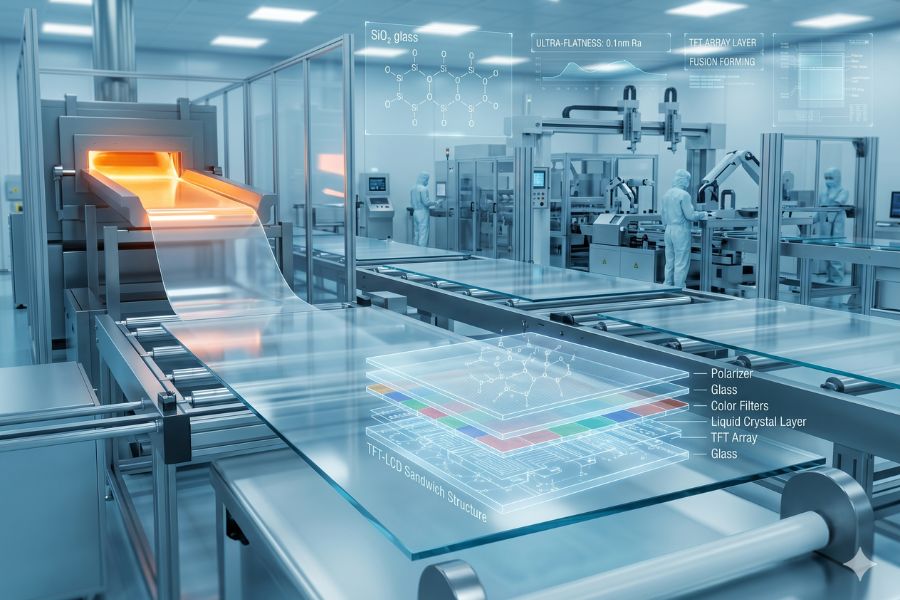
LCD substrate glass enables TFT-LCDs and requires ultra-pure, alkali-free, thermally stable glass. Complex processes and global oligopolies dominate production due to high technical barriers.

Flexible Printed Circuits (FPCs) serve as the critical connective tissue in modern LCD modules, enabling sleek, lightweight, and high-performance displays across industries from consumer electronics to automotive systems.
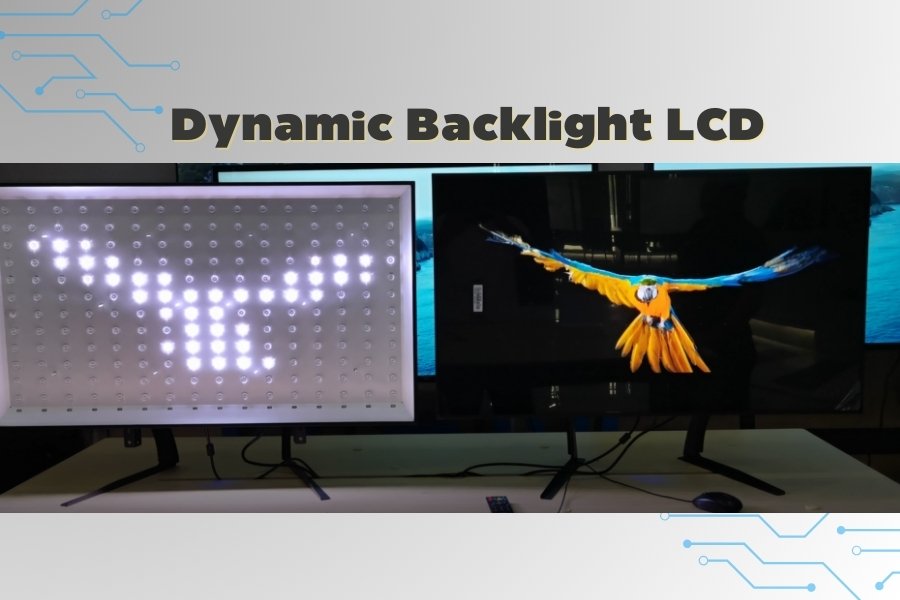
The Dynamic Backlight LCDs are setting new benchmarks for brightness, contrast, and energy efficiency. Whether for gaming monitors or advertising displays, Mini LED dynamic backlighting is revolutionizing how we experience visual content.

Optical Clear Film (OCF) is the best choice for bonding the touch panel with LCM. It is used for transparent optical components and full lamination of TP/LCM of various sizes.
The fundamentals of AMOLED technology, including pixel circuit design, driving methods, key manufacturing processes, structure, optimization, and technical advantages 1. Design and Optimization of Pixel Circuits As the fundamental unit of a display panel, the performance of a pixel circuit
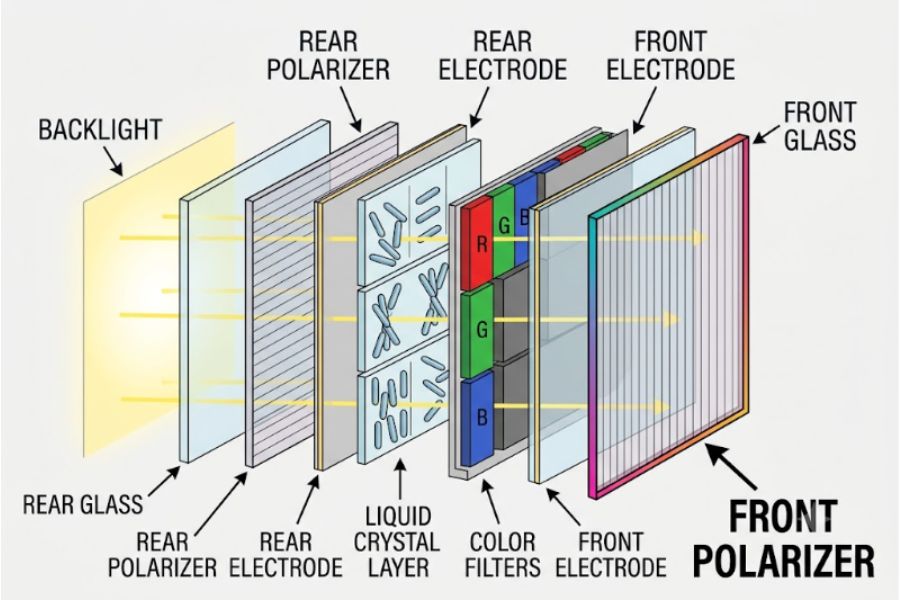
Polarizers are essential LCD components, using stretched PVA and TAC films to control light polarization, enabling image display through specialized materials, coatings, and manufacturing processes. 1. Working Principle of Polarizers A polarizer (Polarizing Film) is an optical film that controls
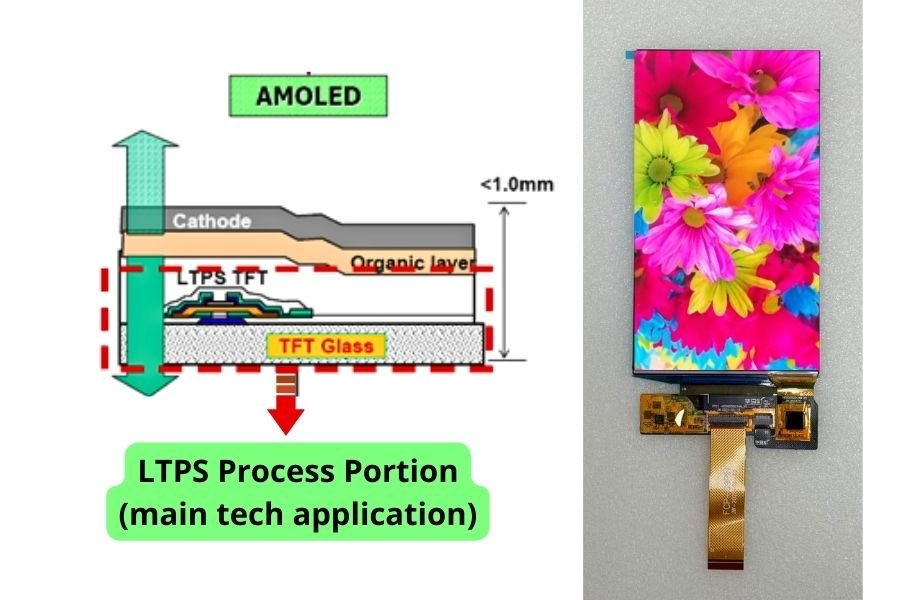
AMOLED technologies can be broadly divided into six main categories, of which LTPS leading mass production, while metal oxide and advanced deposition methods shape future large-scale displays.
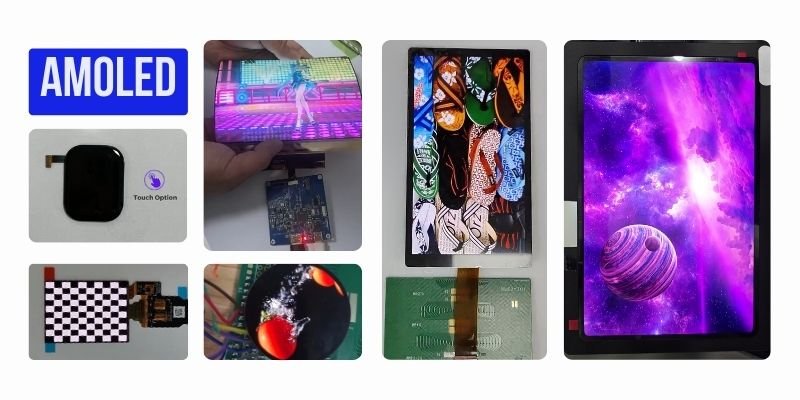
OLED is a self-emissive display technology, with AMOLED as its mainstream form, offering superior contrast, efficiency, and flexibility, and shaping the future of next-generation displays.
We are excited to announce that Tailor Pixels Technology Co., Ltd. (TPS) will be exhibiting at electronicAsia 2026, Booth No.: 5B-F07, taking place from October 13th–16th, 2026. As a professional display technology provider, Tailor Pixels specializes in high-quality TFT LCD
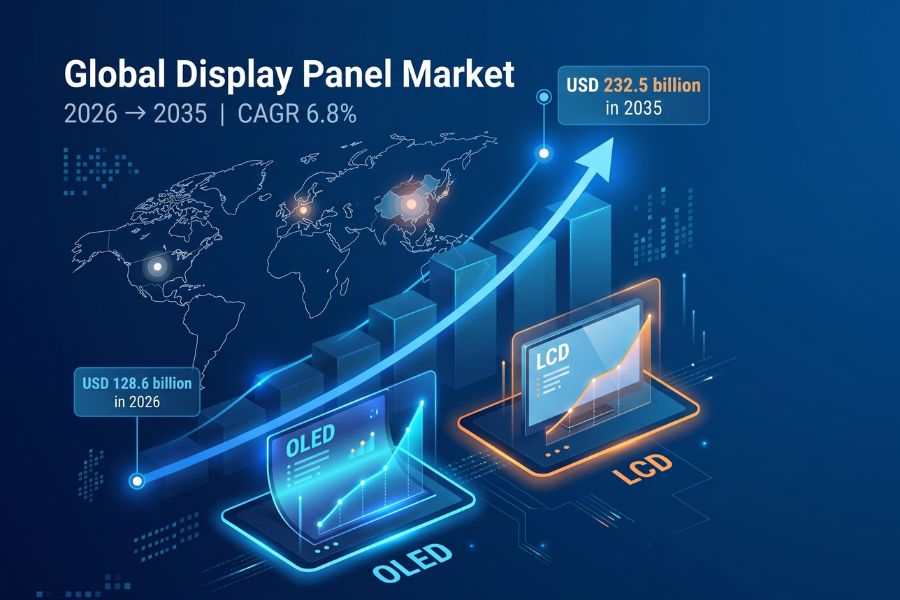
Global display panel market grows at 6.8% CAGR to 2035, driven by OLED adoption, automotive demand, and innovation, despite supply chain challenges and pricing pressure.
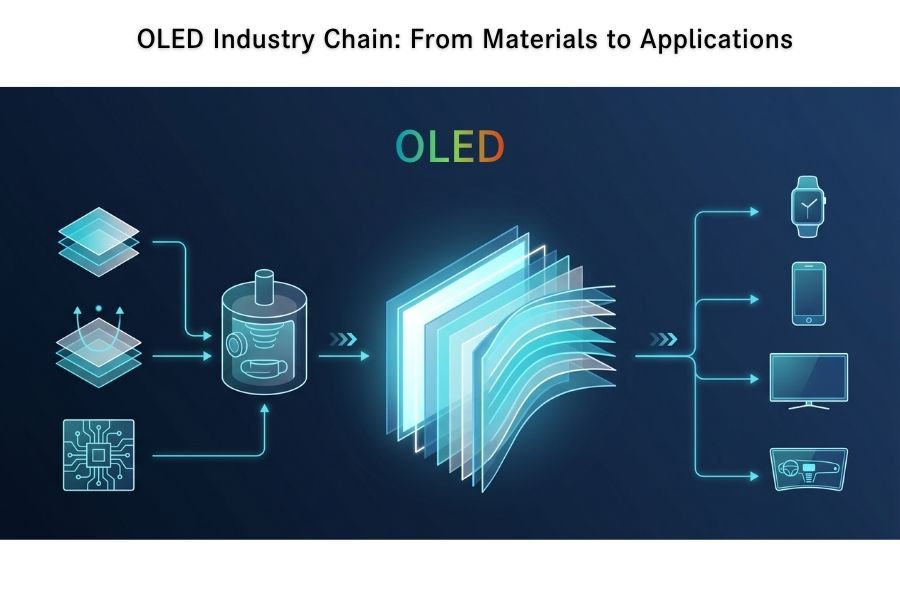
Explore the intricate ecosystem of the OLED industry, from upstream raw materials to downstream applications, and analyze the strategic regional clusters driving global display innovation.
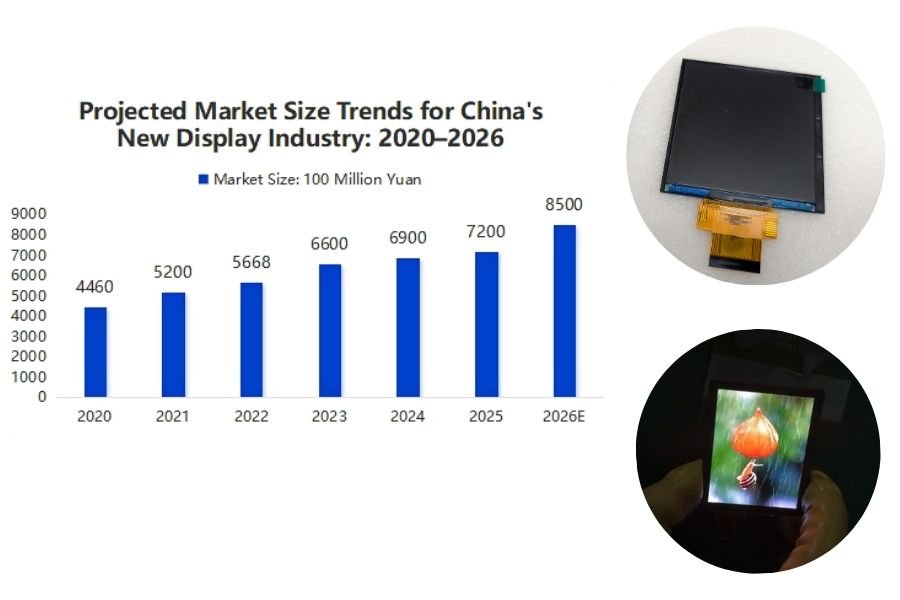
China’s display panel industry is rapidly growing, with strong upstream localization, expanding OLED adoption, and increasing demand across smartphones, automotive displays, and wearable devices.