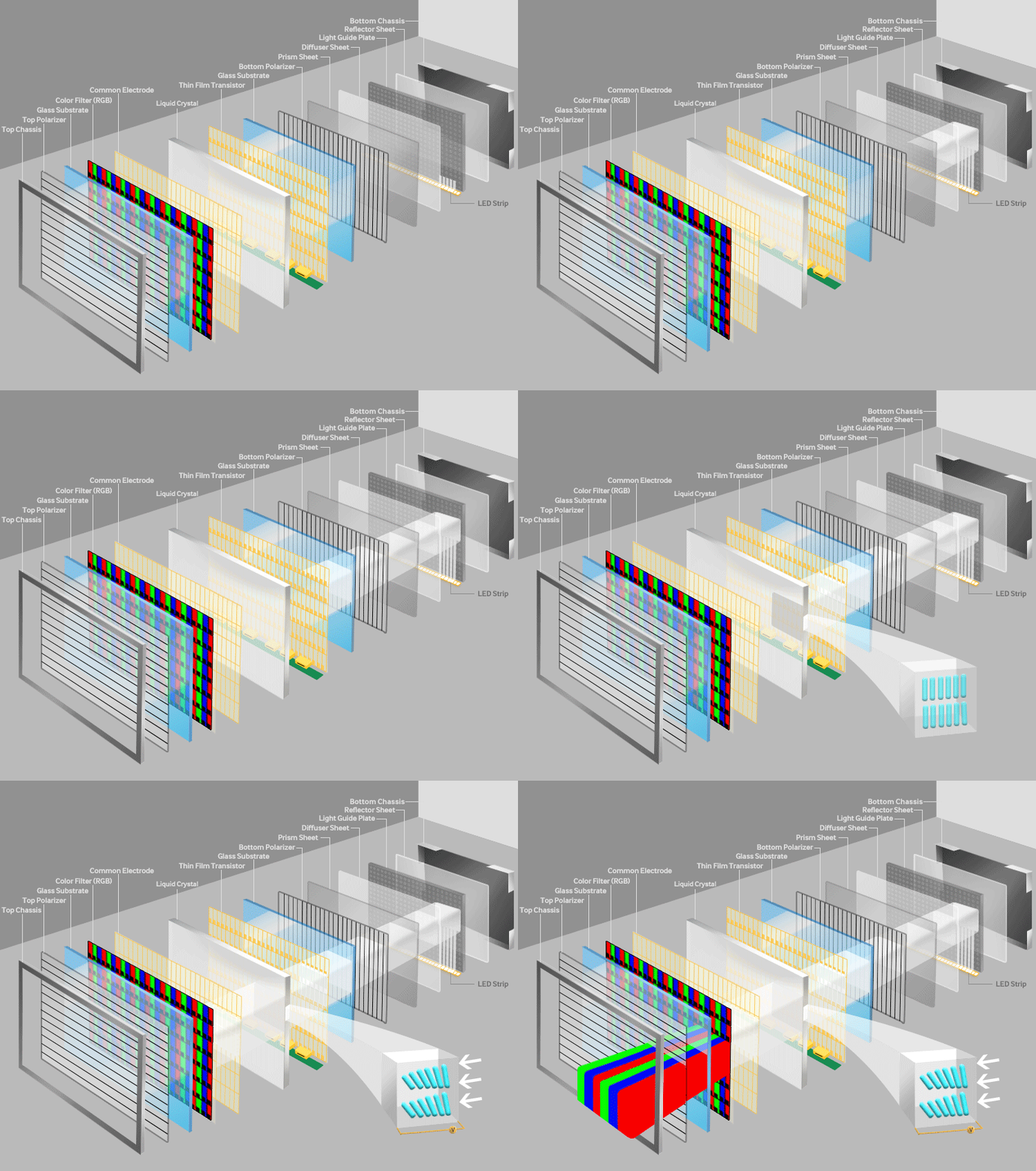
How does the LCD Work?
To give a comprehensive illustration of how does the LCD work, we will explain the structure, and then the collaboration of each part to create the colors.
To give a comprehensive illustration of how does the LCD work, we will explain the structure, and then the collaboration of each part to create the colors.
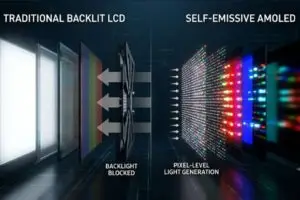
The fundamentals of AMOLED technology, including pixel circuit design, driving methods, key manufacturing processes, structure, optimization, and technical advantages 1. Design and Optimization of Pixel Circuits As the fundamental unit of a display panel, the performance of a pixel circuit directly impacts the image quality, energy consumption, and lifespan of the entire device. During the
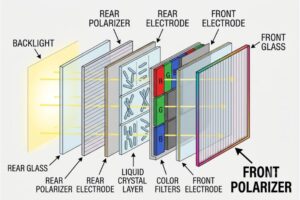
Polarizers are essential LCD components, using stretched PVA and TAC films to control light polarization, enabling image display through specialized materials, coatings, and manufacturing processes. 1. Working Principle of Polarizers A polarizer (Polarizing Film) is an optical film that controls the polarization direction of light. When natural light passes through a polarizer, the component of
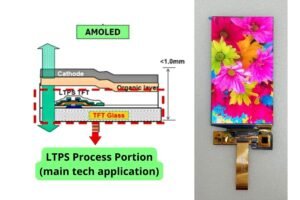
AMOLED technologies can be broadly divided into six main categories, of which LTPS leading mass production, while metal oxide and advanced deposition methods shape future large-scale displays.
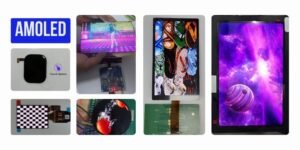
OLED is a self-emissive display technology, with AMOLED as its mainstream form, offering superior contrast, efficiency, and flexibility, and shaping the future of next-generation displays.
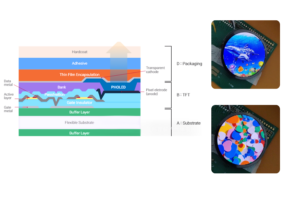
AMOLED has become a leading display technology due to its self-emissive structure, high contrast, fast response, and design flexibility. Here, we introduce the core architecture of this technology.

AMOLED delivers an appealing experience from visual to performance. Therefore, its mainstream application market is where consumers pursue more extreme performance and are willing to pay a higher price for a better experience.